
EXHIBITION
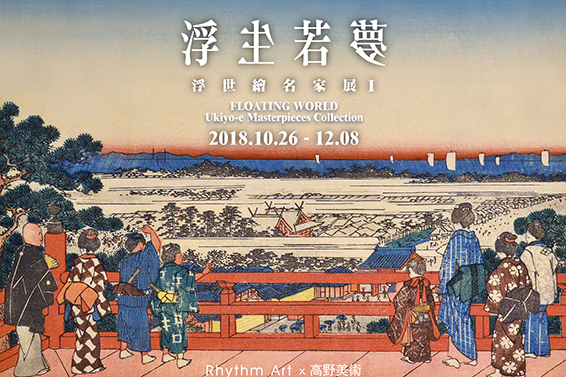
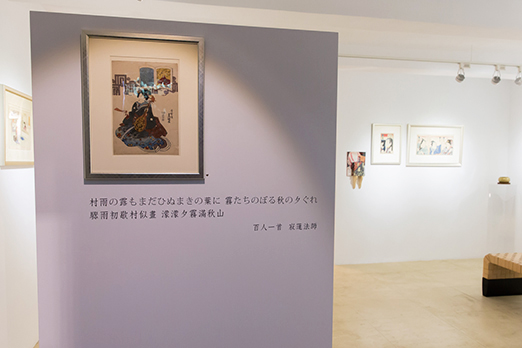
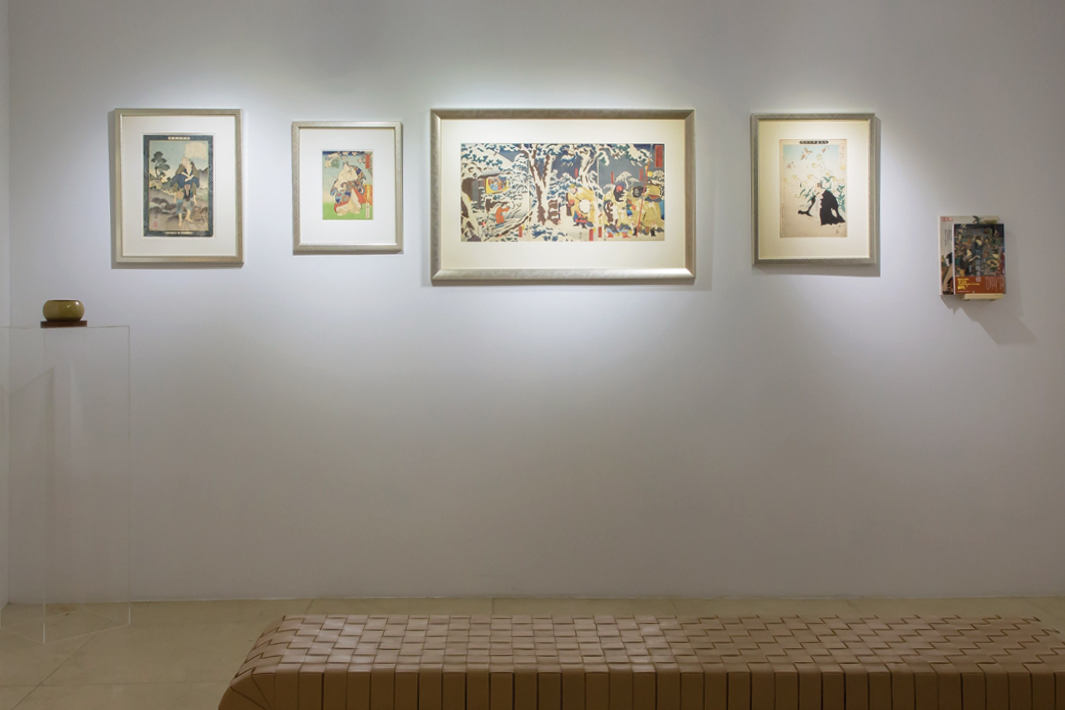
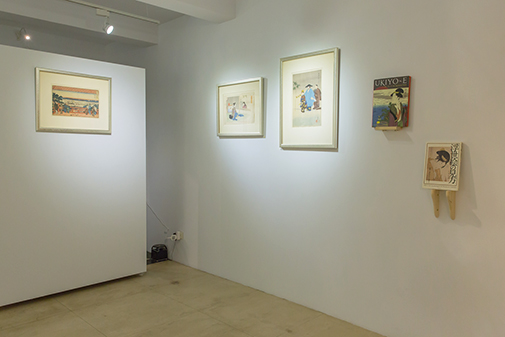
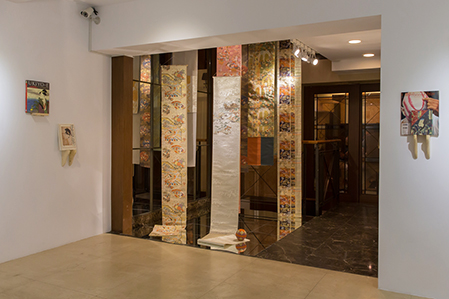
浮生若夢---浮世繪名家展
最具代表性的日本藝術首推浮世繪,誕生於十七世紀末的江戶地區(今日東京),有別於流行於上層社會的繪畫(以狩野派為首),浮世繪不論製作方式、題材與銷售渠道,均帶有濃厚的庶民性格。從出版的歷史來看,活字印刷興起於佛經印刷,後經商業化廣泛運用於通俗話本,時稱「浮世草子」,內容常有對時事與歌舞昇平生活的嘲諷描寫,除了文字另搭配艷俗的插畫,大受歡迎的結果,出版商也開始單獨發行書中的木刻版畫,沿用「浮世」二字,稱為浮世繪。
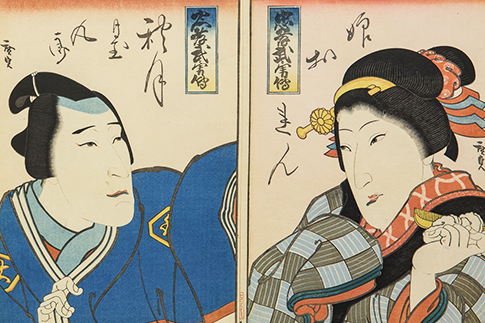
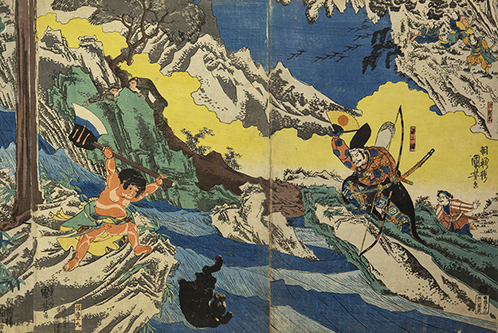
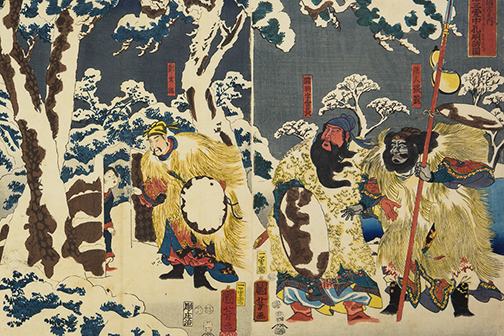
當時江戶地區民生富饒、紙醉金迷,男子流連於青樓,浮世繪最初以「美人圖」居多,有些繪者替劇場製作看板,印發傳單,因此也有所謂的「役者繪」(歌舞伎演員),畫師的社會地位提升後形成師承的系譜,各流派在題材、技法、印刷上不斷推陳出新,演變至十八世紀,出現多色套印的錦繪,加入金銀粉套色、雲母亮粉裝飾的豪華版,無色模壓過的紙上淺浮雕,這些工藝的效果宛如日本織品工藝中最精緻的「西陣織」,因此錦繪形式的浮世繪又被稱為「西陣織繪」。
在技巧的進步之外,真正將通俗浮世繪帶往藝術性層次,進而影響西方繪畫,開啟浮世繪黃金時期的,是十八世紀中期開始出現的「浮世風景繪」,從葛飾北齋的「富嶽三十六景」起,緊接著有歌川廣重的「東海道五十三次」,這兩位大師一陽一陰,一霸氣一抒情的,描繪出日本壯闊秀麗的山川,浮世繪不再是私密空間交流賞玩的物件,一躍而為市井小民家家戶戶都懸掛在店舖、起居空間的藝品。
The word “Ukiyo-e” means Buddha’s sympathy for general masses. However, it became the depicting of pleasure in the Edo period. 300 years later, just look at those glamour scenes, we still can feel the joyful and optimistic life at that time.
This gorgeous art was made by many delicate steps. The grandmasters who were painters, carvers and printers, they dedicate their life to create the beautiful work. It’s not kind of out-of-reach art, instead, the Ukiyo-e is always down-to-earth in terms of its philosophy and market, this is reason why it still has great influence nowadays.
Coming to the gallery and to see the authentique artists’ life-time impressions, you may appreciate the smooth lines, bright colors, and the creative composition directly. Each masterpiece tells an eternal story, you could enjoy not only the feast of beauty, but the lively life of Edo period.